
Understanding the psychology of gambling What drives risk-taking behavior
The Allure of Risk in Gambling
The psychology of gambling is deeply intertwined with the allure of risk. Many individuals are drawn to the thrill that comes from taking chances, which can be traced back to fundamental human instincts. The adrenaline rush associated with high-stakes situations can create a compelling desire to gamble, especially when considering options like a keno casino. This intense feeling can lead to a temporary escape from reality, where the individual feels alive and exhilarated.

Moreover, the potential for significant rewards often overshadows the risks involved. The idea of winning a large sum of money can be highly motivating, influencing decision-making processes and behavior. Cognitive biases, such as the illusion of control, also play a role, as individuals may believe they have more influence over outcomes than they actually do, further driving their willingness to engage in risky behaviors.
The Role of Emotional Factors
Emotions play a crucial role in gambling behavior. For many, gambling serves as a coping mechanism for stress, anxiety, or depression. The highs of winning can lead to temporary feelings of euphoria, while losses may result in frustration or disappointment. This emotional rollercoaster can create a cycle where individuals gamble to escape negative feelings or to chase the excitement of a previous win.
Additionally, social factors contribute to this emotional landscape. The camaraderie found in gambling environments, whether in physical casinos or online platforms, can foster a sense of belonging. This social interaction often enhances the gambling experience, making it more appealing and reinforcing the behavior, even amidst significant losses.
Cognitive Biases and Gambling Behavior
Cognitive biases significantly influence gambling behavior by shaping the perceptions and decisions of individuals. One prominent bias is the gambler’s fallacy, where people mistakenly believe that past events influence future outcomes. For instance, after a series of losses, some may feel that they are “due” for a win, prompting them to increase their bets in hopes of recouping losses.
Another bias is confirmation bias, where gamblers selectively pay attention to information that supports their beliefs while ignoring evidence that contradicts them. This can result in a distorted view of reality, leading to increased risk-taking behavior. Understanding these cognitive biases is essential for recognizing how they can skew judgment and lead to irrational gambling decisions.
The Impact of Environment and Culture
The environment in which gambling takes place can have a profound effect on behavior. In many cultures, gambling is normalized and even celebrated, creating an environment where risk-taking is encouraged. This cultural acceptance can lead to higher rates of gambling and risk-taking behavior, as individuals feel less stigma associated with their actions.
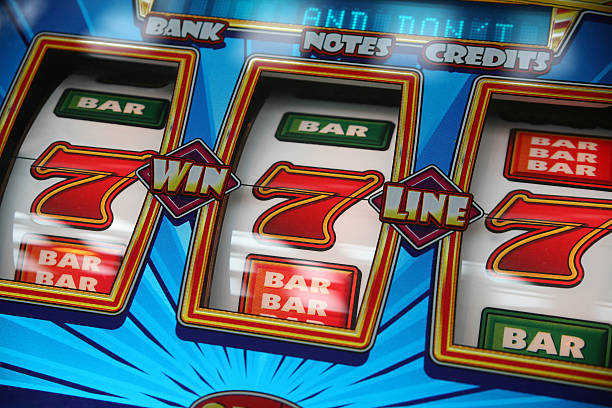
Moreover, the design of gambling spaces, such as casinos, is meticulously crafted to maximize engagement. Elements like vibrant colors, enticing sounds, and the absence of clocks create an immersive experience that encourages extended play and can lead to increased risk-taking. The combination of cultural acceptance and environmental design amplifies the psychological factors driving gambling behaviors.
Exploring Responsible Gambling Resources
Understanding the psychology behind gambling is crucial for promoting responsible gambling practices. Many organizations and websites provide resources aimed at educating individuals about the risks associated with gambling and offering support for those who may be struggling with gambling addiction. These resources often include informational articles, self-assessment tools, and access to professional help.
By raising awareness of the psychological aspects of gambling, individuals can become more informed about their behaviors and the potential consequences. Empowering people with knowledge helps cultivate a healthier relationship with gambling, ensuring that it remains a form of entertainment rather than a harmful addiction.